


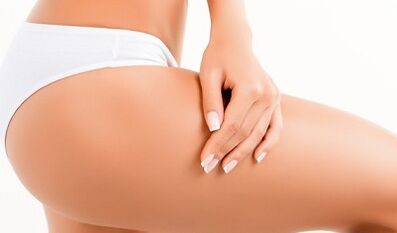
Fractional laser skin rejuvenation is a modern, non-invasive and safe method of restoring skin structure and rejuvenating the skin.
The laser fractional rejuvenation procedure accelerates the natural metabolic processes of skin cells: growth, division, and metabolism, stimulating the rapid renewal and production of new cells.Fractional laser skin rejuvenation surgery can be performed on any part of the body: face, shoulders, hands, abdomen, forearms.
Indications of laser fractional skin rejuvenation
- Loss of skin elasticity and sagging due to age or photoaging
- Presence of warts, papillomas, moles, age spots
- Stretch marks, scars, scars,
- dilation of blood vessels and capillaries
It is important to note that laser removal of skin tumors can only be performed after consultation with a dermatologist.
Program details
Fractional laser skin rejuvenation surgery is performed under local anesthesia, so patients experience little to no pain.The laser beam heats the deep layers of the skin, destroying some cells that cannot be restored and making room for the production of healthy cells.
As a result of the heat exposure, the rest of the cells begin to actively work to restore a sufficient amount of collagen fibers.Thus, renewal and healing of the skin occurs in the outer and inner treated areas, which makes it possible to eliminate age-related skin changes and get rid of many other aesthetic problems.
The laser beam penetrates the skin and causes targeted damage to cells without causing any harm to surrounding tissue: no marks or burns will be left on the skin tissue surrounding the treatment area.The power and penetration depth of the laser beam are adjusted to each patient's needs.The procedure lasts from 30 to 60 minutes, depending on the size of the affected area.
recovery period
Full recovery time after fractional rejuvenation is approximately two weeks.The treatment area may be red and slightly swollen for the first two to four days.During the next stage of healing, peeling may occur.
The esthetician who performed the surgery recommended skin care products that would help restore the skin.The laser-treated area must be protected from UV rays until the skin has fully recovered, and if you have the procedure in late spring or summer, apply sunscreen with a protection factor of at least 50, even on skin hidden by clothing.
Contraindications
Fractional laser skin rejuvenation surgery is absolutely safe, but the procedure should be avoided if the patient has skin tumors or skin lesions (herpes, dermatitis, etc.) in the exposed areas.
Patients with diabetes, coagulation disorders, and connective tissue diseases are contraindicated in laser rejuvenation.It is necessary to postpone surgery during pregnancy and lactation.
result
After the first surgery, the results of the laser treatment are obvious: the skin becomes more toned, pigmented spots and translucent blood vessels lighten.The skin appears firmer and more elastic, its texture improves, pigmentation decreases, and small blood vessels disappear.
For long-lasting results that last for years, beauticians recommend a course of treatments: 2-4 sessions once a month.
The most popular fractional skin rejuvenation surgical devices are:
- Shuttle.The procedure can be performed on any area of the face and body, on any skin color and type, and produces dramatic results.The main purpose of this device is to rejuvenate, smooth and soothe skin texture, remove pigmentation and correct any type of scar deformity.
- Smart Xide Point.The treatment can be applied to areas of the face, neck, shoulders or hands to effectively and consistently remove skin damage caused by sun exposure, wrinkles, minor bumps, blemishes and acne scars.Spot therapy stimulates the formation of new collagen in thousands of microscopic hot zones, improving skin tone and texture.
- Paloma Emerger.Lasers can be used to rejuvenate the skin of the face, neck, shoulders, elbows, knees, hands, eliminate stretch marks on the chest, abdomen, thighs, and eliminate pigmentation.The Emerge Fractional Laser not only allows you to use off-the-shelf treatment options, but also set individual parameters for each specific patient.